
Building on a Sloping Site: Designing with the Land, Not Against It
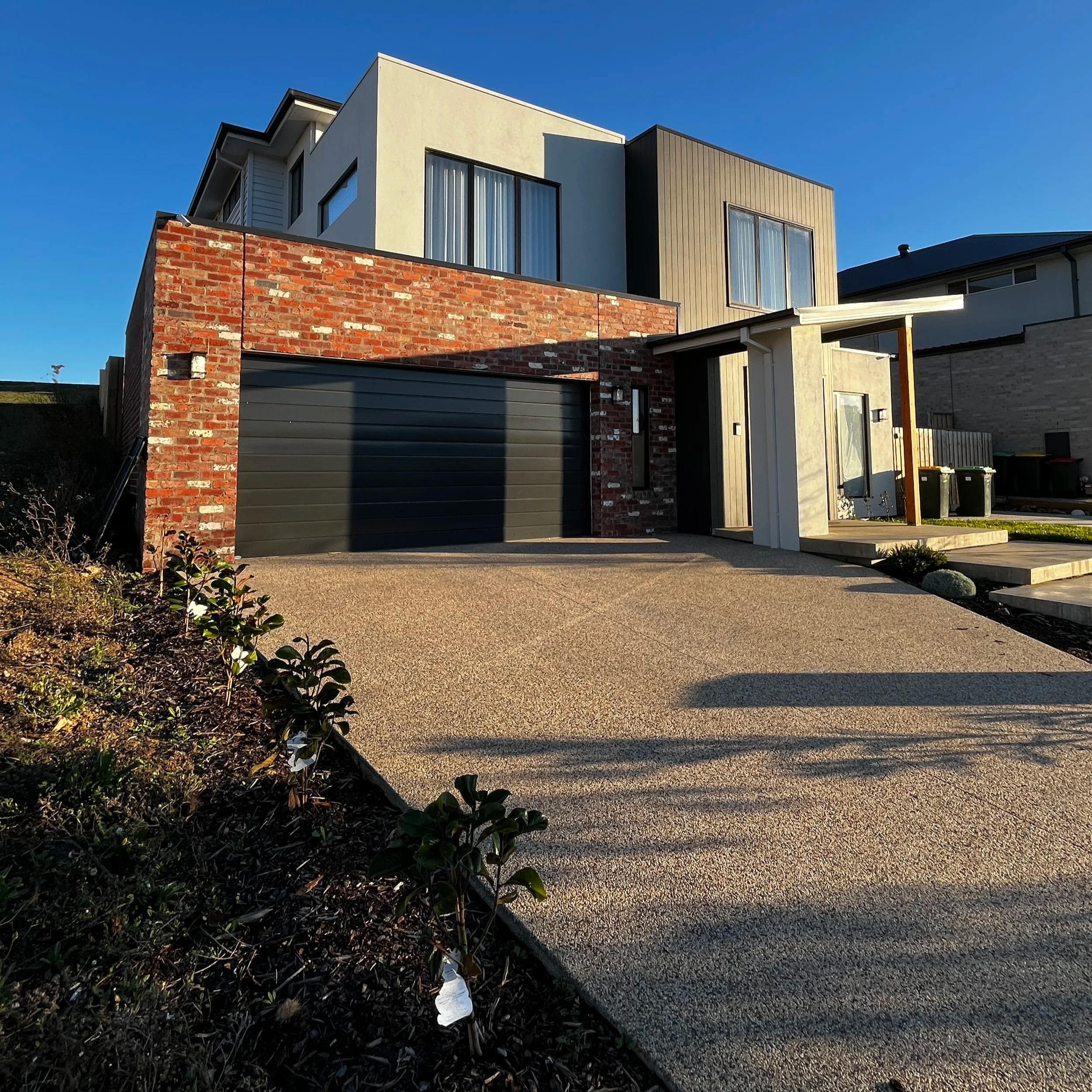
Sloping sites are often viewed as challenging, yet some of the most striking, light-filled, and site-responsive homes are created by working with the land rather than against it. With the right design approach, a slope becomes an opportunity to enhance views, natural light, and overall performance.
Here’s how to approach building on a sloping site, and how designing in response to the land can unlock better light, views, and functionality.
Sloping sites naturally lend themselves to:
· Elevated views and outlooks
· Increased privacy from the street
· Unique street presence and architectural interest
Homes designed for sloping sites often feel more dynamic, layered across levels, connected to the landscape, and far removed from a “cookie-cutter” outcome. When thoughtfully resolved, they offer a level of design richness that flat blocks simply can’t replicate.
The key is selecting a design approach that responds naturally to the topography and lifestyle requirements of the site.
Finding the Right Design Approach
Split-Level Design
A popular and cost-effective solution. Living zones are staggered across half-levels, reducing excavation and creating natural separation between spaces.
Reverse Living Layouts
Reverse living places the main living areas upstairs, maximising views, light, and connection to the surrounding environment. This approach is particularly well suited to the Bellarine Peninsula, the Surf Coast, and the rolling landscapes of Highton and Fyansford. Elevating your living spaces means your family can enjoy the best vantage point throughout the day.
Walk-Out Connections
These allow direct access to outdoor areas from multiple levels, often with a lower-ground floor opening onto a backyard or courtyard, creating seamless indoor-outdoor flow across the home.
Understanding the site
Like any site, sloping land comes with project-specific considerations that can influence construction methods and overall budget. While these sites create exciting architectural possibilities, thoughtful planning early in the process is essential to achieving the best outcome.
Before purchasing a sloping site, there are a few important factors to consider:
The direction of the slope
Some sites slope upwards from the street, others fall away, and some slope across the site. Each presents different design opportunities and considerations, influencing elements such as access, layout, natural light, and how the home connects to the landscape.The gradient of the slope
The degree of fall across the site can influence both design approach and construction methods. Gentler slopes may allow for simpler solutions, while steeper sites often benefit from more considered design detailing and site-responsive construction techniques. With the right approach, a wide range of sloping sites can be successfully transformed into highly functional and visually striking homes.
Additional cost considerations may include:
Site works: Excavation and retaining walls
Access: Tight or steep sites can affect construction logistics
The most effective approach is often to design with the natural contours of the land, rather than trying to reshape them entirely.
A Smarter Way to Build
With the right preparation, expertise, and design approach, building on a sloping site can become a defining feature of the home rather than a constraint.
A considered, site-responsive approach allows you to:
Work naturally with the existing topography
Enhance light, ventilation, and energy performance
Create stronger connections between indoor and outdoor spaces
Deliver a home that feels integrated with its surroundings
At Live Green Homes, we’re experienced in delivering custom homes across the Bellarine Peninsula, Surf Coast, and Greater Geelong region, areas where sloping sites are common and full of potential. Our focus is always on aligning design, performance, and construction from the outset to achieve a refined, buildable outcome.
Final Thoughts
Sloping sites often require a more considered design response, but they can also deliver some of the most rewarding architectural outcomes.
By embracing the natural topography of the land, it’s possible to create a home that feels more connected, more functional, and uniquely suited to its environment.
If you’re considering building on a sloping site, early design advice can make a significant difference.
At Live Green Homes, we create custom homes that respond thoughtfully to the land, lifestyle, and surrounding environment. Explore our project gallery or connect with our team to see how a sloping site can become one of your home’s greatest strengths.